
Protection and Prevention
Sexual health protection and prevention
Whatever your sexual preference, there are lots of options to help you stay safe and enjoy healthy, worry-free sex.
Here you can find your up-to-date guide on vaccines, medications and more to help protect and prevent you from sexual infections and viruses.
You can check on your eligibility for vaccinations or medications with your local sexual health clinic or your GP.
Vaccines, including HEP A, B, HPV & Mpox
There are important vaccines available which can help protect against diseases and infections.
If you are a man who has sex with other men, or if you change your sexual partner frequently, you may be at increased risk of some infections and vaccinations can help protect you.
You local sexual health clinic will be able to advise on your eligibility for all vaccines.
Vaccines available include:
- Hepatitis A is a virus that causes inflammation of the liver. In sexual health clinics, it is offered to all men who have sex with men. The Hepatitis A vaccine is also widely given as a travel vaccination (often free at GP travel clinics), to people travelling outside of Europe.
- If you think you may have had this vaccine before, you could check your NHS app/ GP records to find out.
- Hepatitis B is a blood-borne virus which is offered to a number of at-risk groups including: men who have sex with men; sex workers; people who inject drugs; people living with HIV.
- The Hepatitis B vaccine is also often given to people who work in the care industry or those working in public services, e.g. hospitals, police, council cleaning teams, etc. Check with your occupational health records if you think you may have had these vaccines before – letting us know dates can be really helpful.
- The HPV vaccine helps protect against human papillomavirus (HPV), a common virus that is spread through skin contact (usually when having sex).
- HPV vaccine is now usually given in school settings as part of the childhood vaccination schedule. Depending on your age and where you lived as a teenager, you might have already had this. You may be able to check your NHS app to find out.
- Mpox (previously known as monkeypox) is a rare infection but is available for eligible people who may identify as gay, bisexual, transgender and men who have sex with men.
- The MenB vaccine helps protect against gonorrhoea, a sexually transmitted infection (STI) passed on through unprotected sex. It’s recommended for some men who have sex with men who are at higher risk of getting infected.
- You can find out more about the vaccine here
Test, protect, repeat – STI screening
Many sexually transmitted infections (STIs) have no symptoms but can cause long-term health complications if left untreated.
Regular testing prevents the spread of infections and protects your long-term health.
STI testing is simple and there are even options for self-sampling kits that you can do at home.
STI treatment is free on the NHS.
You can find out more about the different types of infections within our STI section.
All things HIV, PrEP, PEP & Doxy-PEP
HIV is a virus that can be passed on through sexual activity. As well as the use of condoms, there are now other medications available to help protect you against developing HIV.
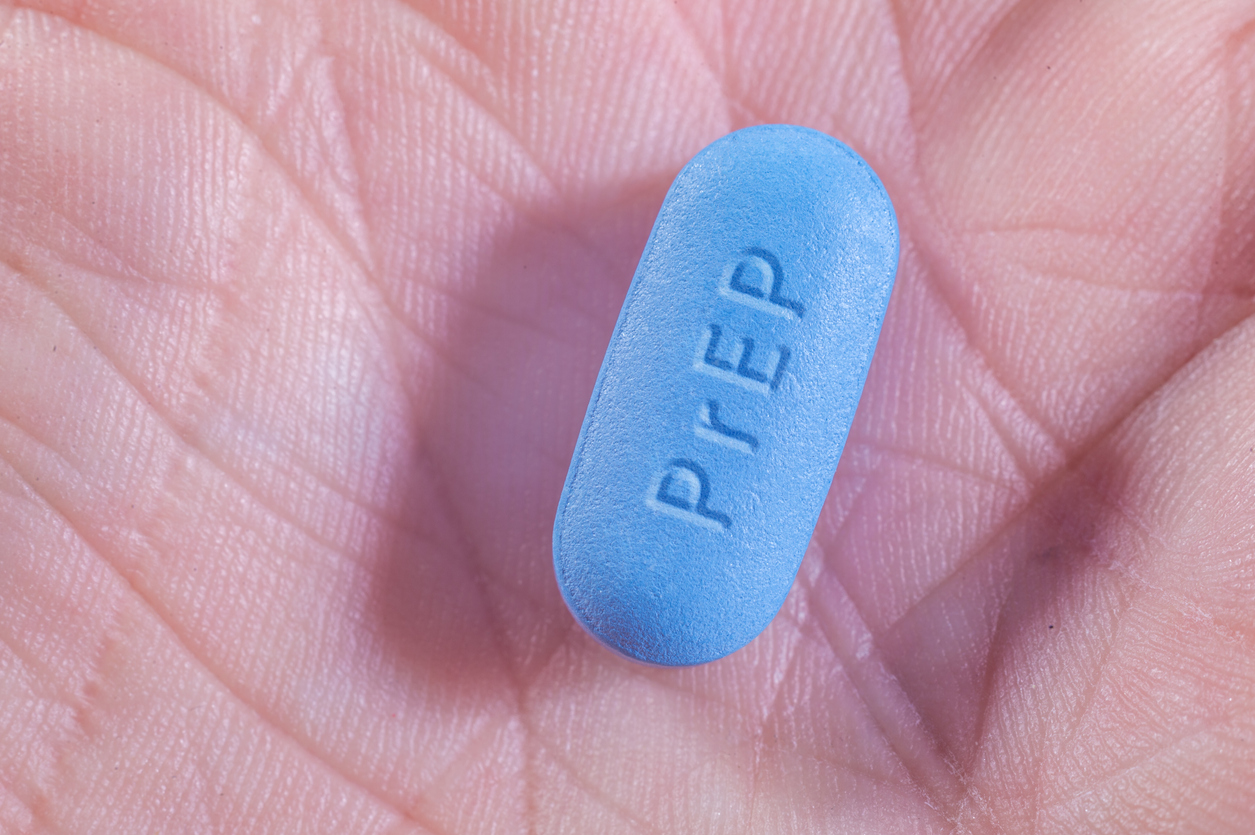
PrEP is a medication you can take before sex to prevent HIV. PrEP is recommended for men who have sex with men, or for those in a relationship with HIV-Positive partners, but can be taken by anyone who doesn’t have HIV.
PrEP is safe to use alongside all forms of contraception and is safe to use with hormone therapy for trans people.
For more information, ask you local GP or sexual health clinic or click here.
PEP is a medicine that is taken after you have had recent sexual contact with someone who is HIV-positive to help reduce the risk of developing HIV yourself.
PEP must be taken within 72 hours (3 days) of the sexual activity to be effective. The sooner you can take PEP the better, PEP will not be prescribed if it is more than 72 hours after the event.
PEP should only be taken in emergency situations and is available from A & E departments and sexual health clinics.
HIV testing – if you have several sexual partners or have sex with men, knowing your HIV status is so important. Testing for HIV is simple and there are many options available including online self-sampling options.
Home testing kits and further HIV information is also available via The Eddystone Trust.
Doxy-PEP
Doxy-PEP is a pill taken after sex to help prevent sexually transmitted infections (STIs) like Chlamydia and syphilis. It is for use by eligible gay, bi-sexual and men who have sex with men who may be more at risk.
Doxy-PEP is an antibiotic, and it needs to be taken 24 hours after having sex and no later than 72 hours. This can help to lower your chances of getting some infections.
Doxy-PEP is now available through some sexual health clinics. For more information, including options to buy see: Queer Health’s Doxy-PEP guide
Chemsex
Chemsex is a term used to refer to the sex that men have with other me whilst under the influence of specific drugs. Some men who have sex with men (MSM) communities face increased risk of substance use or chemsex-related harm.
The Eddystone Trust offers an innovative chemsex service in the south west that offers support for men who have sex with other men and are part of the chemsex scene.
Condoms
Condoms protect against sexually transmitted infections, including HIV.
If you’re aged under 25, you can order free condoms, including female condoms, via the Doink condom scheme. Find our more at dsh.sh.uk
If you are a man who has sex with other men, you can sign up to the Condoms Direct service from The Eddystone Trust to receive free condoms and lube in the post four times a year.
Contraception
There are many different contraception options available.
They are all designed to help prevent unwanted pregnancies, and choosing the right form of contraception for your needs and lifestyle is very important.
You can find out more detailed information on the range of contraception options within our contraception website section.
Or sites, such as Contraception Choices, can help you way up the pros and cons of each method to help you decide which choice is right for you.