

U=U (undetectable = untransmissable) and 90-90-90
posted by: Jonathan Shaw
What is 90-90-90?
90-90-90 is a Joint United Nations Programme on HIV/AIDS (UNAIDS) strategy. Its aim is to control the HIV/AIDS epidemic by 2020.
90-90-90 refers to achieving a target of:
- 90% of people living with HIV knowing their status,
- 90% of those that know their status being on treatment
- and 90% of those on treatment being virally suppressed (also known as being undetectable).
Successful treatment with HIV medications (antiretrovirals) brings the viral load down to an undetectable level.
What is U=U?
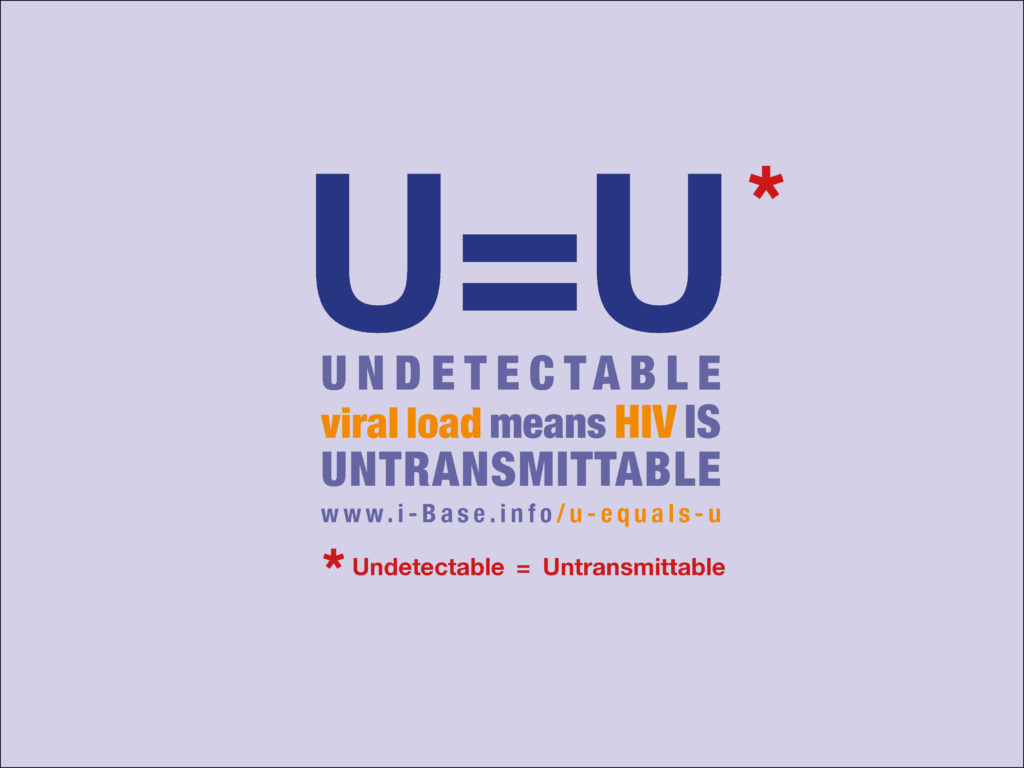
Fantastic news for people living with HIV (PLHIV). When PLHIV have been undetectable for 6 months or longer and remain on treatment, they are not at risk of transmitting HIV to sexual partners. This has also been phrased as U= U, which stands for undetectable = untransmittable (or uninfectious). This has been confirmed by multiple research studies in recent years.
So what does that mean for people living with HIV?
This is very empowering information for any PLHIV. We asked ‘what does being undetectable mean to you?’ to some of our patients:
‘I feel that I am the focus of the appointment with my clinician and not just my medication or viral load (blood test result) ’
‘I am able to confidently pursue relationships and explain why I am on treatment to any potential partner’
‘Being on treatment has saved my life, and the pharmacist is that helping hand, assisting me to continue taking my medications daily.’
So what can I do to help promote this positive message?
Let people know, and be confident when saying it. Despite such remarkable improvements in treatment response, drug options, and the dedicated support offered through many clinics, some people are being left behind or ‘falling through the cracks’ and not aware that HIV treatment is available.
Are there other positive messages around HIV?
Many are out there. Recently we have talked in the service about the distinction between ‘illness and disease’. Disease is what clinicians diagnose and treat, whereas illness is the subjective experience of the clinician’s diagnosis. This distinction is important, particularly in the context of HIV, as it highlights the fact that experiences of people sharing the same medical condition can vary considerably.
Some of these variations can be attributed to how accessible a clinic is to a patient. We think about the level of relational support available to people. We consider factors such as immigration status, religious background and financial support. So being there to talk to and holistically support PLHIV is as important as any message around effective treatment.
Trending Now
- Taking ‘the pill’. A different approach to make this method work best for you
- Does using contraception make you put on weight?
- Does contraception affect fertility?
- Updated blood pressure readings if you are taking combined hormonal contraception
- ALERT: Cervical smear scam text messages
- The “male contraceptive”

Get set for summer!
Heading to a festival this summer? Have safer festival fun by signing up for the Eddystone Trust free condoms for […]

Bank Holiday information
All Devon Sexual Health clinics will be closed on Monday 27th May for the Bank Holiday. When our clinics are […]

#StopItNow campaign returns this March
The Stop It Now campaign is aimed at deterring online child sexual abuse. The campaign is a project of the […]
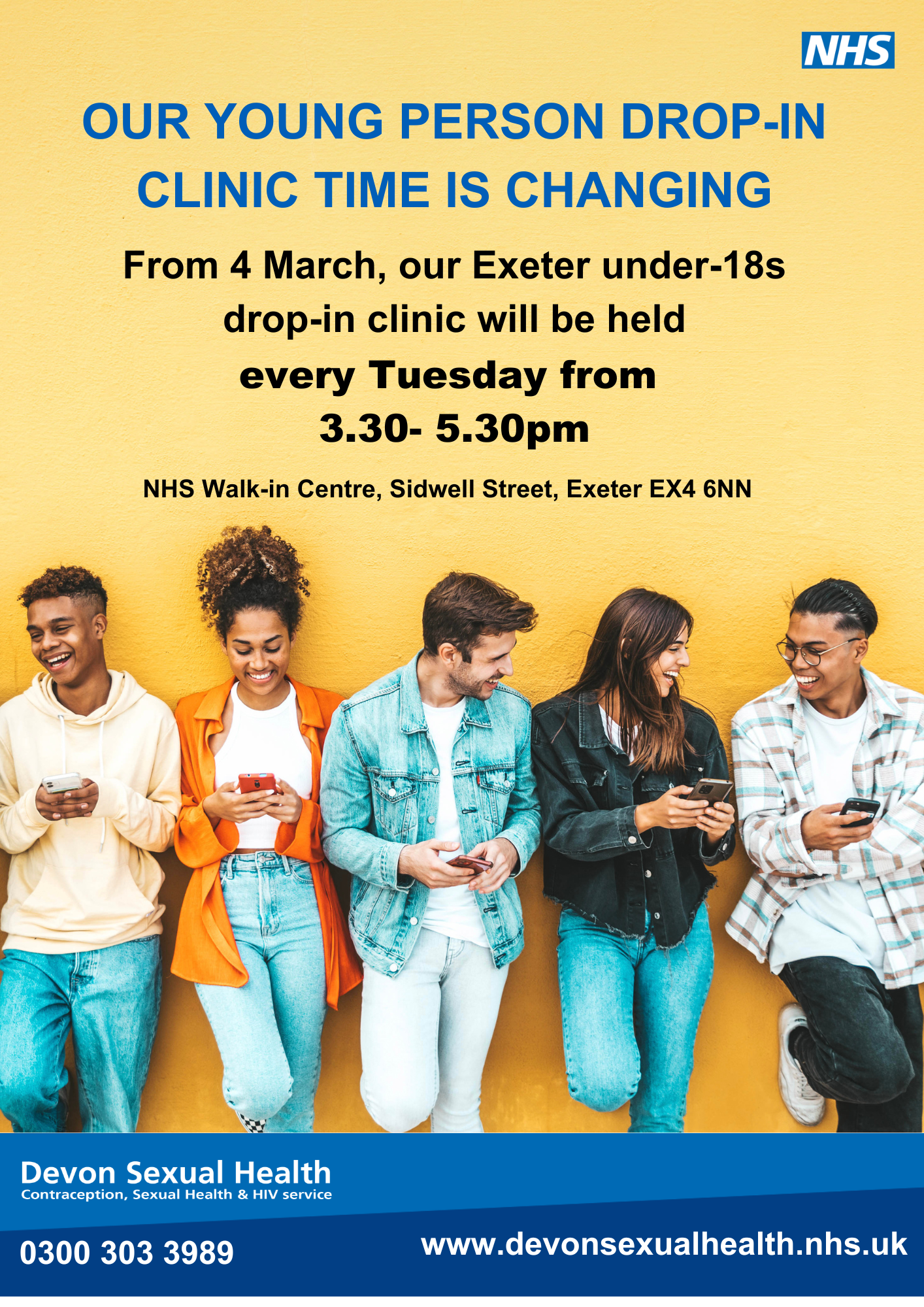
New time for Exeter Young Person clinic.
From 4 March, the Young Person drop-in clinic at Devon Sexual Health will be held every Tuesday from 3.30pm – […]